 PVC is Polyvinyl Chloride. This is a plastic with the following chemical formula: CH2 = CHCl (see image at right).
Plastic encompasses a wide range of synthetic or semi-synthetic polymerization products (i.e. long chain carbon-based “organic” molecules), meaning that they are malleable or have plasticity in their semi-liquid state.
After the First World War, there was an explosion in new forms of plastics due to developments in the chemical technology sector, including “polystyrene (PS)” and “polyvinyl chloride (PVC)” developed by Germany’s IG Farben company.
Today, PVC is used in the construction industry, for example, in window frames and shutters, pipe wiring and coatings, etc. It is widely used. Vinyl is also used in gramophone records and therefore we use the term vinyl records to refer to them. PVC is widely used in industrial products and healthcare industry, automobile spare parts, toy factory, food packaging, handrail etc. It can be used in tons of other apps (This is explained below).
PVC can be transparent or colored, rigid or flexible, depending on the compounds added and the final application that needs to be achieved; For example, shore or blown film, high impact, wire and cable grade, thermoforming, injection molding, rotational molding, etc. There are different grades of PVC.
How is it produced
The basic raw materials for PVC are obtained from salt and oil.
Chlorine, sodium chloride, is produced by the electrolysis of salt.
This is why the first PVC production facilities were located close to natural salt sources.
Electrolysis of salt water produces chlorine. The chlorine is then combined with the ethylene from the oil. The element formed is ethylene dichloride, which is converted to vinyl chloride monomer at very high temperatures. These monomer molecules are polymerized forming polyvinyl chloride resin.
For example, rigid PVC like that used in window frames is normally PVCU (“unplasticized”). On the other hand, flexible PVC is obtained by adding plasticizers such as phthalates.
Also, pure poly-chloroethene is unstable when exposed to visible light or UV. Antioxidants are added to replace this disadvantage and make it suitable for different applications. Some other additives include:
Some of the properties that make PVC suitable for various applications are:
– Toughness, strength. – Ease of mixing, ease of processing – Flame resistant and fire protection properties PVC, for example, is difficult to ignite and will not continue to burn in the absence of a strong external flame. This is due to the chlorine compound. This makes it an ideal building and cable material.
– PVC transparent or colored, rigid or flexible, etc. It is compatible with other additives that can provide.
– Excellent electrical insulating properties. Ideal for use on these cables.
– Impact resistance and weatherproof (i.e. rustproof and very durable), suitable for use as a construction material
– Resistance to oil, grease and chemicals
– PVC is chemically stable and does not polymerize
– Density: 1.32-1.42 g / cc
Environmental impact of PVC and issues related to occupational health and safety
PVC Manufacturing
Manufacturing plastics often create large amounts of toxic chemical contaminants such as dioxin, hydrochloric acid and vinyl chloride.
This poses serious health risks to humans during the PVC lifecycle. These toxins can produce serious diseases such as cancer, diabetes, neurological damage, reproductive and birth defects. Dioxin is a persistent Organic Pollutant (POP), these are chemical substances that persist in the environment, bioaccumulate in the food chain and pose a risk of adverse effects on human health and the environment.
In addition, chloro-ethene monomer is also a carcinogen released during PVC production. This unreacted monomer can also be found in the final PVC and released throughout its life cycle.
Plasticizers added to make PVC flexible can leach (e.g. group phthalates), which are also toxic.
disposal
The plastic was almost too good, because it was durable and deteriorated so slowly. On the other hand, this same property is what makes plastic a dangerous material. Due to the amount added to PVC and the different additives (which can be up to 60% of PVC product additives) as well as containing chlorine, the eventual disposal or recycling of PVC has to be closely scrutinized.
Disposal options are recycling, landfilling or incineration:
– Recycling
Thermoplastics can be remelted and reused, although the purity of the material tends to deteriorate with each reuse cycle. Also, the separation of different additives and compounds that make up the plastic makes recycling a difficult option.
The biggest problem with plastic recycling is that sorting plastic waste is difficult to automate and is therefore labor intensive (for example, a mobile device may have many different spare parts made of different plastic materials).
Therefore, recycling plastics is unprofitable because the value of the material is low.
Products such as cars are now designed to facilitate the recycling of large pieces of plastic.
The international standard for defining environmental claims for product or packaging can be found in ISO 14021: Environmental Labels and Declarations-Self-Declared Environmental Claims.
Market applications
Building materials
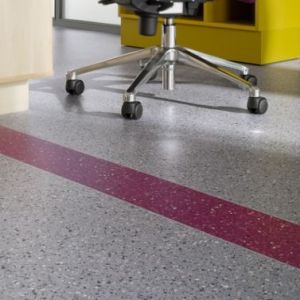
Due to the properties of PVC, about 50% of PVC (or vinyl) produced in building materials is used in place of other materials such as wood or glass, as described above. Pvc floor covering price is cheap, durable, good weatherability, etc.
PVC is strong, lightweight, durable and versatile. These features make it ideal for window profiles. PVC’s inherent flame retardant and excellent electrical insulating properties make it ideal for wiring applications.
Flooring, window and door frames and shutters, water and waste pipes, cable and wire insulation materials, architectural glass systems, wallpaper, etc. It can be used for electrical applications.
medical devices
PVC is widely used for surgical, pharmaceutical, drug delivery and medical packaging. Some products include blood bags, medical containers, fluid bags, tubes, heart and lung bypass sets, masks, gloves, bottles and jars, drainage systems, ducts, etc.
The reasons for using it in the medical industry are safety and chemical stability and biocompatibility, chemical resistant and low cost. In addition, it can be used inside the body and is easy to sterilize.
Automotive
Typical examples of PVC automotive parts are: profiles, interior door panels and pockets, seat covers, sun screens, seals, floor coverings, cable, exterior side molding and protective strips, anti-stone damage protection, brakes etc.
Other apps
PVC, toys, packaging, electrical and electronic equipment, household goods, coating, plastic parts in motor vehicles, office equipment, insulation and adhesive tape, furniture, etc. It can be used in manufacturing.
Consumers in the sole of shoes, children’s toys, handbags, suitcases, seat covers, etc.
Industrial sectors for conveyor belts, printing rollers.
Electrical and electronic equipment such as circuit boards, cables, electrical boxes, computer enclosure.
 Flooring Systems